




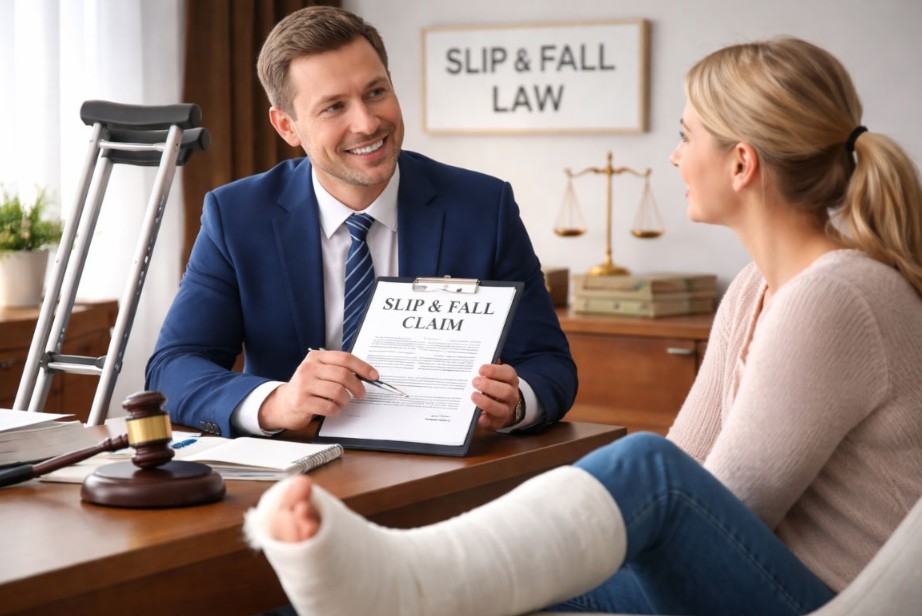
A slip and fall claim can look complete while still missing facts that affect liability or compensation. What matters is whether the evidence clearly explains the hazard, the property owner’s responsibility, the injury, and the losses that followed. Careful review by a personal injury attorney can uncover weak spots before an insurance company turns them into reasons to challenge the claim.
What Does an Attorney Check at the Accident Scene?
Scene evidence is one of the first things a personal injury lawyer may examine because it shows what the injured person actually encountered. Photos can reveal spills, cracked pavement, loose mats, damaged stairs, uneven flooring, poor lighting, or warning signs that were difficult to see.
Measurements add information that photographs may miss, especially with raised concrete, broken steps, or sudden floor-height changes. Angles also matter because a hazard that looks obvious in a close-up picture may have been nearly invisible from the direction a visitor approached.
Property Maintenance Records Can Reveal What Happened Before the Fall
Maintenance history can show whether the hazard was a surprise or a problem that had been building for days or weeks. Inspection logs, repair orders, cleaning records, employee messages, and previous complaints may establish that someone knew about the unsafe condition before the accident.
Repeated reports become especially important if a business claims it had no reason to know about the danger. Someone searching for a personal injury lawyer near me may discover that these internal records provide more useful information than the short incident report created after the fall.
Why Is the Property Owner’s Notice So Important?
Notice can become one of the hardest parts of a premises liability claim. Alabama cases often require close attention to whether the property owner knew about the hazard or should have discovered it through reasonable inspection.
Timing helps answer that question. Surveillance footage, receipts, witness observations, and employee activity may show whether a spill sat unattended, a broken step remained unrepaired, or another condition existed long enough for staff to respond.
Medical Records Need to Match the Mechanics of the Accident
Treatment records should explain how the fall caused the injuries being claimed. Emergency notes, imaging, specialist findings, therapy reports, and work restrictions can show whether the diagnosed condition fits the way the person landed or twisted during the accident.
Earlier medical problems can complicate that analysis. A personal injury lawyer in Huntsville AL may compare older records with new symptoms, treatment changes, and physical limits to distinguish a pre-existing condition from harm caused or worsened by the fall.
Which Details Can Make Fault More Complicated?
Fault becomes harder to sort out when the insurer argues that the injured person should have seen the hazard. Questions may arise about footwear, phone use, warning signs, lighting, walking speed, or whether the condition was open and obvious.
Context changes how those facts should be understood. Crowded aisles, dark stairways, blocked views, confusing floor patterns, weather conditions, or poorly placed signs may explain why a reasonable visitor did not recognize the danger in time.
Missing Evidence Can Quietly Weaken an Otherwise Strong Claim
Evidence does not always stay available for long. Security footage can be overwritten, employees may leave their jobs, damaged flooring can be replaced, and spills may be cleaned before anyone understands how important the original scene was.
Backup proof can fill some of those gaps. Accident attorneys near me may look for receipts, text messages, phone photos, witness names, medical intake notes, damaged clothing, or other records that help rebuild the timeline when stronger evidence has disappeared.
A Complete Review Also Checks Whether the Damages Add Up
Financial losses need the same attention as liability. Medical bills, therapy costs, prescriptions, lost wages, missed overtime, used leave, and future treatment should all be reviewed before an injured person considers a settlement.
Daily limitations matter too, even though they do not come with a receipt. Trouble sleeping, driving, climbing stairs, working, exercising, or handling normal household tasks may help show how much the injury changed everyday life.
Why a Second Look Can Change the Direction of the Claim
Claim files sometimes look complete because they contain a few photos, an incident report, and medical bills. Deeper review may reveal missing surveillance footage, unexplained treatment gaps, weak notice evidence, incomplete wage records, or an insurer preparing to shift blame.
Wolfe Jones can take a closer look at those details before they become problems in a Huntsville slip and fall claim. Their personal injury attorneys can test the property owner’s version against maintenance records, examine whether medical evidence supports the injury, identify fault arguments early, and document losses that may have been overlooked. That kind of review can turn a scattered claim file into a clearer picture of what happened, why it happened, and what the evidence supports.




More Stories
Common Personal Injury Case Myths Debunked by Huntsville Lawyers
Outcomes Improved by Hiring a Skilled Personal Injury Attorney Fast
When to Seek Legal Help After a Termite Damage Case in Mobile AL